Preventing stripped screws with an impact driver involves selecting the correct tools, maintaining them, and mastering proper technique. By ensuring precise alignment, applying consistent pressure, and controlling the driver’s speed and torque, users can significantly reduce the occurrence of this common workshop frustration. For example, using Torx or Robertson head screws instead of Phillips can drastically improve bit engagement and prevent cam-out, a primary cause of stripping.
Understanding Screw Stripping: Causes and Consequences
Screw stripping occurs when the recess or drive of a screw head becomes damaged, making it impossible for the driver bit to maintain a secure grip and turn the screw effectively. This can range from slight deformation to a completely rounded-out head. Beyond the immediate frustration, stripped screws can prolong project timelines, damage work surfaces, and even necessitate costly removal methods. Understanding the underlying causes is the first step toward prevention.
What is Screw Stripping?
A stripped screw is essentially a fastener whose head has been compromised to the point where a driver bit can no longer engage it properly. This damage often manifests as a worn, mangled, or rounded-out socket, rendering the screw immovable or impossible to tighten further. The primary mechanism behind this damage is often “cam-out,” where the driver bit slips out of the screw head under torque, grinding away the metal in the process. Repeated instances of cam-out quickly degrade the screw’s integrity, leading to a fully stripped head.
Common Causes of Stripped Screws with Impact Drivers
While impact drivers are designed to minimize cam-out compared to traditional drills due to their percussive action, they are not immune to stripping. In fact, their high torque can accelerate damage if other factors are at play.
- Cam-out (Especially Phillips Head): The most frequent culprit. Phillips head screws, in particular, are notorious for cam-out, as their design is meant to “cam out” at a certain torque to prevent overtightening, but this also makes them susceptible to stripping if not handled correctly. When an impact driver applies its rotational force, any slight misalignment or insufficient pressure can cause the bit to jump out, damaging the screw head’s shallow recesses.
- Incorrect Bit Size or Worn Bits: Using a driver bit that is either too large or too small for the screw head is a surefire way to cause stripping. A loose fit allows the bit to wobble and grind, while an oversized bit won’t seat properly. Similarly, old, worn, or low-quality bits lose their sharp edges and precise shape, reducing their grip and increasing the likelihood of slipping and stripping the screw.
- Improper Alignment and Pressure: Failing to hold your impact driver perfectly perpendicular to the screw head is a critical error. Even a slight angle can prevent the bit from seating fully, distributing the force unevenly and causing the bit to slip. Insufficient downward pressure allows the bit to lift out of the screw head, particularly as resistance increases when the screw bites into the material.
- Excessive Torque or Speed (Impact Driver Specifics): Impact drivers deliver significant torque and rotational speed. While beneficial, setting the tool to its highest speed or applying excessive force without proper technique can quickly overwhelm the screw head, particularly with softer materials or smaller fasteners. The rapid, powerful impacts can deform the screw head almost instantly if the bit isn’t fully engaged.
- Screw Quality and Type: Not all screws are created equal. Softer metals or poorly manufactured screw heads are inherently more prone to stripping. Beyond material, the design of the screw head itself plays a huge role. Phillips heads are more prone to cam-out, whereas designs like Torx (star) and Robertson (square) offer superior bit engagement and resistance to stripping.
- Lack of Pilot Holes: Driving screws into dense hardwoods, composite materials, or metal without a pre-drilled pilot hole creates excessive resistance. This can cause the screw to bind, requiring more torque than the head can withstand and leading to stripping.
Essential Gear for Strip-Free Driving
The right tools are fundamental to preventing stripped screws. Investing in quality components and understanding their proper application can significantly improve your success rate.
Choosing the Right Driver Bit
|
Our Picks for the Best Impact Driver in 2026
As an Amazon Associate I earn from qualifying purchases.
|
||
| Num | Product | Action |
|---|---|---|
| 1 | DEWALT 20V MAX Cordless Drill and Impact Driver, Power Tool Combo Kit , Includes 2 Batteries, Charger and Bag (DCK240C2) |

|
| 2 | BLACK+DECKER 20V MAX* POWERCONNECT 1/4 in. Cordless Impact Driver Kit (BDCI20C) |
|
| 3 | DEWALT 20V MAX Cordless Impact Wrench, 1/2 Impact Gun, 4-Speed High Torque with Hog Ring Anvil and LED Light, Brushless Motor, Precision Wrench, Tool Only (DCF900B) |
|
| 4 | DEWALT 20V MAX Impact Driver, 1/4 Inch, Battery and Charger Included (DCF787D1) |
|
| 5 | Impact Driver: 21V 1/4" Hex Cordless Impact Driver, 230N.m (2,035in-lbs) Brushless Impact Driver Drill Set, 20Psc Screwdriver Bits, 2.0 Ah Battery, Variable Speed for DIY and Automotive |
|
| 6 | DEWALT 20V MAX XR Impact Driver, 1/4 Inch High Torque Brushless 3 Speed Premium Cordless with LED Light, Extended Runtime, Tool Only (DCF845B) |
|
| 7 | Milwaukee Electric - M18 Fuel. 1/4 HEX Impact Driver |
|
| 8 | AVID POWER 20V Brushless Impact Driver Kit, 2220in-lbs High Torque, 2-Speed Mode, Variable Speed Cordless Impact Driver, Brake Stop Function, Compact Design with LED Light, 4 Sockets & 4 Bits Included |
|
| 9 | DEWALT DCF850B 20V Cordless Brushless Compact 1/4'' Impact Driver (Tool Only) (DCF850B-NBX) |
|
| 10 | DEWALT ATOMIC 20V MAX* Impact Driver, Cordless, Compact, 1/4-Inch, Tool Only (DCF809B) |
|
The driver bit is the direct point of contact between your impact driver and the screw. Its quality and fit are paramount.
- Matching Bit to Screw Head: This is non-negotiable. Always select a bit that precisely matches the size and type of the screw head. For instance, a #2 Phillips bit for a #2 Phillips screw. The bit should fit snugly into the screw’s recess with minimal play. A good fit ensures maximum contact area and efficient torque transfer.
- High-Quality, Durable Bits: Cheap, soft metal bits wear down quickly, losing their grip and increasing the risk of stripping. Invest in impact-rated bits made from hardened steel, as these are designed to withstand the high torque and percussive action of an impact driver. Replace bits at the first sign of wear or rounding.
- Specialized Bit Types (Torx, Robertson): For applications requiring high torque or repeated fastening, consider switching away from Phillips head screws. Torx (star) and Robertson (square) drive screws offer superior engagement, reducing cam-out significantly. Their deep, multi-point recesses provide a stronger lock between the bit and the screw, making them ideal for demanding tasks.
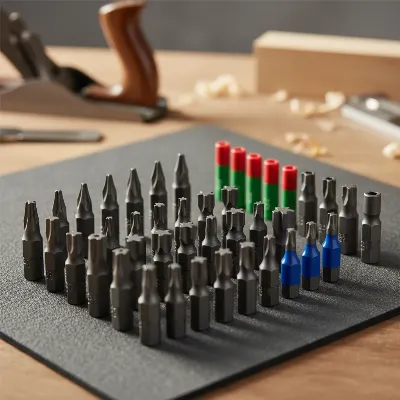 A collection of impact driver bits with various head types including Phillips, Torx, and Robertson, against a blurred workshop background, emphasizing tool readiness.
Selecting the Right Screws
The screw itself is just as important as the driver bit. Choosing the right type for your application can make all the difference.
- Phillips vs. Torx vs. Robertson: As mentioned, Phillips head screws are prone to cam-out by design. For heavy-duty tasks or when working with tougher materials, Torx or Robertson screws are vastly superior. Torx screws have a six-point star pattern that provides excellent torque transfer and resistance to cam-out. Robertson (square drive) screws offer a deep, square socket that grips the bit securely, virtually eliminating cam-out.
- Material and Hardness: Choose screws made from appropriate materials for your project. Softer screws (e.g., standard low-carbon steel) are more susceptible to head damage, especially when driven with high-powered tools like impact drivers. For tougher applications, opt for hardened screws, stainless steel, or high-strength alloy fasteners.
Mastering Your Impact Driver Technique
Even with the best tools, poor technique can lead to stripped screws. Proper usage of your impact driver is crucial for successful, strip-free fastening.
Proper Alignment is Key
Always ensure your impact driver is perfectly aligned with the screw, holding it straight and perpendicular to the work surface. Visualize an imaginary line extending from the center of the screw head, and align your bit along this line. Avoid driving screws at an angle, as this prevents the bit from seating fully and dramatically increases the risk of cam-out and stripping. Use both hands if necessary to stabilize the tool and maintain a straight approach.
Applying Optimal Pressure
Applying adequate and constant downward pressure is vital to keep the driver bit securely seated in the screw head throughout the driving process. Too little pressure allows the bit to lift and slip, leading to cam-out. Conversely, excessive downward force, especially with an impact driver, isn’t usually necessary and can sometimes hinder the tool’s performance or even damage the screw. The key is firm, steady pressure that keeps the bit engaged without forcing it. As the screw penetrates the material and resistance builds, maintain that consistent pressure.
Controlling Speed and Torque
Impact drivers are powerful, and their speed and torque need to be managed carefully.
- Feathering the Trigger: Most impact drivers have variable speed triggers. Start slowly to ensure the bit seats properly and the screw begins to turn smoothly. As the screw engages, you can increase speed, but remain mindful of the material and fastener. For the final turns, ease off the trigger to prevent overtightening, which can also strip screws or damage the material.
- Using Speed Settings: Many modern impact drivers feature multiple speed or power settings. Utilize these. Start with a lower setting for delicate materials or small fasteners, and only increase to higher settings for tougher applications or larger screws. This control allows you to match the tool’s power to the task, minimizing the risk of stripping.
The Importance of Pilot Holes
For most applications involving wood, dense materials, or when using larger screws, drilling a pilot hole is a simple yet incredibly effective preventative measure against stripping. A pilot hole creates a path for the screw threads, reducing the resistance the screw encounters as it enters the material. This lessens the strain on the screw head and the impact driver, making it easier for the bit to maintain a secure grip. Ensure the pilot hole diameter is slightly smaller than the screw’s core (the part without threads) to allow the threads to bite firmly.
Lubrication and Grip Enhancers
Sometimes, despite best efforts, screws can be stubborn. In such cases, a little help can go a long way.
- Lubrication: For very tough materials or old, rusty screws, applying a small amount of lubricant to the screw threads can reduce friction. A bit of bar soap, candle wax, or even specialized screw lubricant can make driving easier and reduce the chance of stripping.
- Grip Enhancers: Products like “Liquid Grip” are designed to create additional friction between the driver bit and a screw head. A single drop can significantly increase the bit’s grip, making it easier to drive or remove screws that are starting to slip. These can be particularly useful when dealing with screws that are already slightly damaged or in challenging positions.
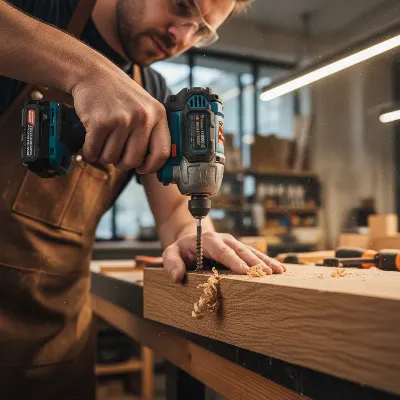 A craftsman demonstrating proper impact driver technique, holding the tool straight and applying firm, steady pressure to a screw in a wooden plank.
Advanced Tips for Challenging Situations
Even with perfect technique, some situations demand extra consideration.
Dealing with Stubborn Materials
When working with especially hard materials like dense hardwoods, treated lumber, or metal, the resistance on the screw can be immense. Beyond pilot holes, consider:
- Countersinking: For screws that need to sit flush or below the surface, a countersink bit can create a tapered hole for the screw head, preventing the head from binding against the surface and reducing stripping potential.
- Pre-tapping: In some metal applications, tapping the pilot hole with a tap tool to create initial threads can significantly ease screw insertion and prevent stripping.
When to Use a Drill vs. an Impact Driver
While this article focuses on impact drivers, understanding their role versus a standard drill is important. Impact drivers excel at driving long screws quickly and efficiently where high torque is needed. However, for precise drilling (especially large holes), driving very small fasteners where overtightening is a concern, or when delicate control is paramount, a standard drill with a clutch setting might be more suitable. The clutch on a drill allows it to slip once a set torque is reached, preventing overtightening and stripping.
Regular Tool Maintenance
Keep your impact driver and bits in top condition. Regularly clean bits to remove debris, store them properly to prevent rust and damage, and replace them when they show signs of wear. A well-maintained tool performs better and lasts longer.
> “The secret to strip-free driving isn’t just power, it’s precision. Matching your bit, maintaining alignment, and understanding your tool’s capabilities are far more important than brute force.” – John Smith, Senior Technician, ReviewedJobs.com
Expert Advice from ReviewedJobs.com
As an Admin and technician with over a decade of experience at ReviewedJobs.com, I’ve seen countless tools and countless stripped screws. My advice is simple but effective.
Identifying Your Project Needs
Before you even pick up a tool, understand your project. Are you driving small screws into soft pine, or long lag bolts into a deck? This dictates the type of screw, bit, and power setting you’ll need. Don’t use a cannon to kill a fly, and don’t expect a toothpick to hold up a house.
Investing in Quality Tools and Fasteners
This cannot be stressed enough. Good quality impact drivers offer better control, power management, and durability. High-quality bits and screws, particularly those with Torx or Robertson drives, might cost a little more upfront, but they will save you immense frustration, time, and potential damage in the long run. They are an investment in your project’s success and your sanity.
Practice Makes Perfect
Like any skill, mastering the impact driver takes practice. Start with scrap material, experiment with different screws and settings, and get a feel for the tool’s feedback. Learn to recognize the tactile cues that indicate a screw is seating properly or beginning to bind. This hands-on experience will build your confidence and refine your technique, making stripped screws a rare occurrence. Read reviews, watch tutorials, and learn from others’ experiences, but always apply that knowledge with your own hands.
Conclusion: Drive with Confidence
Preventing stripped screws with an impact driver boils down to a combination of choosing the right tools, maintaining them, and mastering proper technique. By selecting the correct bit and screw type, ensuring precise alignment, applying consistent pressure, and controlling your driver’s speed and torque, you can dramatically reduce the occurrence of this common workshop frustration. the value of pilot holes and don’t hesitate to use lubricants or grip enhancers when facing challenging materials. With these strategies, you’ll not only save time and materials but also gain the satisfaction of executing flawless, professional-grade fastenings every time. What’s your biggest impact driver challenge, and how will these tips help you overcome it?
Frequently Asked Questions
Can an impact driver prevent stripping better than a drill?
Yes, generally an impact driver is less prone to cam-out and stripping than a standard drill for many applications because its percussive action helps keep the bit seated. However, its high torque means that if the bit does slip, it can damage the screw head much faster than a drill, so proper technique is still essential.
What kind of screws are best to avoid stripping?
Screws with Torx (star drive) or Robertson (square drive) heads are widely considered the best for preventing stripping. Their deeper, multi-point recesses offer superior bit engagement and resistance to cam-out compared to Phillips or slotted head screws.
How do I know if my bit is worn out?
A worn-out bit will show signs of rounding, chipping, or deformation at its tip. If it no longer fits snugly into a new screw head, wobbles, or frequently slips during use, it’s time to replace it. Using a worn bit is a primary cause of screw stripping.
Is it always necessary to drill a pilot hole?
While not always necessary for softwoods, drilling a pilot hole is highly recommended for hardwoods, composite materials, metal, or whenever using larger screws. It reduces resistance, prevents wood splitting, and significantly lowers the risk of screw stripping, making the fastening process smoother and more secure.
What is “cam-out” and how do I avoid it?
“Cam-out” is when a driver bit slips out of the screw head recess while driving, often damaging the head. To avoid it, ensure you use the correct bit size, maintain perfect alignment with the screw, apply firm downward pressure, and control your impact driver’s speed, especially with Phillips head screws.

I appreciate the focus on proper technique, but I still find myself struggling with consistent pressure on smaller screws. My impact driver sometimes feels a bit too powerful for delicate work, even on lower settings. Maybe I need a different model, or just more practice.
Great advice on controlling the driver’s speed and torque. I always just went full throttle, but taking the time to adjust for different materials has really helped. My projects look cleaner now, and I’m not wasting screws. Definitely a noticeable improvement.
The section on precise alignment really resonated with me. I used to rush and not get the bit perfectly straight, leading to stripped heads. Now I take an extra second to make sure everything’s lined up, and it makes a huge difference. My projects are going much smoother.
I used to strip screws all the time, especially with deck projects. The tip about using Torx head screws with my impact driver has been a game-changer. Seriously, I haven’t stripped a single one since I switched. It’s made my work so much faster and less frustrating.