Tackling demanding fastening jobs without the right tool can lead to stripped screws, damaged materials, and significant frustration. While a standard drill might get some jobs done, for serious driving power and efficiency, an impact driver is indispensable. But not all impact drivers are created equal; those equipped with adjustable speed settings elevate performance, offering unparalleled control and versatility for tasks ranging from delicate cabinetry to heavy-duty construction. This comprehensive guide will equip you with the knowledge to navigate the world of impact drivers and select the perfect model with advanced speed controls to optimize your workflow.
What is an Impact Driver?
An impact driver is a specialized power tool designed to drive screws and fasteners into tough materials with remarkable efficiency. Unlike a standard drill, which relies solely on continuous rotational force, an impact driver combines this rotation with rapid, percussive blows. When the tool encounters resistance, an internal hammer and anvil mechanism engages, delivering quick bursts of high-torque force directly to the fastener. This dual action prevents cam-out (the bit slipping from the screw head), minimizes user fatigue by reducing reactionary torque, and allows you to sink long fasteners quickly and effortlessly into hardwoods, metal, and other dense materials. While similar in appearance to a drill, an impact driver’s primary purpose is fastening, making it the go-to choice for repetitive screwdriving tasks where power and speed are paramount.
Why Adjustable Speed Settings Matter in Impact Drivers
The ability to control an impact driver’s speed and torque is a game-changer for both professionals and DIY enthusiasts. Adjustable speed settings provide the precision and versatility needed to tackle a wide array of applications without compromising your material or fastener integrity. Without variable speed, a tool might deliver excessive power for delicate tasks, leading to stripped screw heads or cracked surfaces, especially in softer materials like softwood or plastic. Conversely, insufficient power on tough jobs can cause the tool to strain or fail to drive the fastener completely.
With a variable speed trigger, you can initiate a task at a lower RPM for better accuracy when engaging a screw or bolt, then gradually increase the speed as needed to complete the fastening. Many advanced models also feature multiple dedicated speed modes (e.g., low, medium, high, or even “auto” modes), allowing you to quickly select the appropriate power level for specific applications. This adaptability is crucial for preventing over-tightening, reducing material waste, and enhancing overall work precision, ultimately saving time and ensuring a professional finish across diverse projects.
Types of Impact Drivers
Impact drivers primarily differ in their power source and the sophistication of their features, especially concerning speed control.
Cordless Impact Drivers (Battery-Powered)
Cordless impact drivers are by far the most popular type today, offering unmatched portability and convenience. They are powered by rechargeable lithium-ion battery packs, typically ranging from 12V for lighter-duty tasks to 18V, 20V, and even 24V for heavy-duty professional applications. Higher voltage generally translates to more power and torque, while a higher amp-hour (Ah) rating indicates longer runtime between charges. Modern cordless impact drivers often feature brushless motors, which are more efficient, run cooler, and have a longer lifespan than their brushed counterparts. These are the tools most likely to offer advanced adjustable speed settings, multiple drive modes, and smart electronic controls for optimal performance.
Corded Impact Drivers
While less common, corded impact drivers offer continuous power without the need for battery changes or recharging. They are ideal for stationary workshops or jobs where access to an electrical outlet is consistent, eliminating concerns about battery life. However, their mobility is limited by the length of the power cord, making them less suitable for large job sites or outdoor projects without an extension. Corded models typically have fewer advanced speed control features compared to their premium cordless counterparts, often relying on a basic variable speed trigger. For the purpose of discussing advanced adjustable speed settings, the focus remains primarily on cordless options due to their technological advancements in this area.
Comparing Cordless vs. Corded
For users prioritizing flexibility, cutting-edge speed control, and the ability to work anywhere, cordless impact drivers are the clear winner. The evolution of battery technology has made them incredibly powerful and efficient, rivalling or even surpassing many corded tools. While corded models offer consistent, uninterrupted power, the convenience and advanced features of cordless impact drivers, particularly their sophisticated speed and torque management systems, make them the preferred choice for most modern applications.
Key Factors When Choosing an Impact Driver with Adjustable Speed
Selecting the best impact driver requires careful consideration of several technical specifications and practical features, especially when adjustable speed is a priority.
Torque (Fastening Force) – The Most Important Factor
Torque is the rotational force an impact driver applies to turn a fastener, typically measured in inch-pounds (in-lbs) or Newton-meters (Nm). A higher torque rating indicates more power for driving large, stubborn screws or bolts into dense materials. Impact drivers with adjustable speed settings often come with multiple torque modes that can be selected independently of speed, allowing you to match the force precisely to the task. For example, a low torque setting prevents over-tightening in delicate applications, while a high setting ensures lag bolts are fully seated in structural lumber.
No-Load Speed (RPM) and Impact Rate (IPM)
- No-Load Speed (RPM – Revolutions Per Minute): This indicates how fast the chuck spins when the tool is not under load. Impact drivers typically offer a range of RPMs, often controlled by a variable speed trigger or discrete speed settings. Higher RPMs are suitable for quickly driving smaller fasteners or drilling, while lower RPMs provide more control for starting screws or working with fragile materials.
- Impact Rate (IPM – Impacts Per Minute): This measures how many times the internal hammer strikes the anvil per minute. A higher IPM rating means the tool delivers more percussive force, which is essential for driving long fasteners into hard materials effectively. Together, adjustable RPM and IPM allow for fine-tuned control over both rotational speed and hammering action, greatly enhancing versatility.
Battery Type and Runtime (For Cordless Impact Drivers)
For cordless models, the battery system is crucial.
- Voltage (V): Higher voltage (e.g., 18V, 20V, 24V) generally provides more power and performance, ideal for heavy-duty tasks.
- Amp-hour (Ah): This indicates the battery’s capacity and how long it will run on a single charge. Batteries with higher Ah ratings offer extended runtime, reducing interruptions. Look for lithium-ion batteries, which offer good power-to-weight ratios, faster charging, and a longer overall lifespan. Consider investing in a platform with interchangeable batteries if you own other tools from the same brand.
Size and Weight of the Tool
The physical characteristics of an impact driver significantly affect comfort and usability. A compact and lightweight design reduces user fatigue during prolonged use and allows access to tight, awkward spaces. For professionals who use their tools all day, or DIYers working overhead, even a slight difference in weight can be noticeable. Ergonomics, including grip design and balance, also play a vital role in comfort and control.
Brand and Price
Reputable brands often offer better build quality, reliability, and customer support. They also tend to have established battery platforms, allowing you to use the same batteries across multiple tools. While premium brands might come with a higher initial price tag, they often offer superior performance, durability, and advanced features like sophisticated speed controls. However, many mid-range brands now provide excellent value with competitive features for most users. Setting a budget and comparing features across different price points will help you find the best tool for your investment.
Top Impact Drivers with Adjustable Speed Settings: A Comparison
The market offers a robust selection of impact drivers featuring excellent adjustable speed and torque controls. Here’s a look at some of the best models available today, highlighting their key features.
| Product Name | Key Adjustable Speed Features | Max Torque (in-lbs) | Max RPM | Battery Voltage | Pros | Cons |
|---|---|---|---|---|---|---|
| Milwaukee M18 Fuel 2953-20 | Variable speed trigger, multiple drive modes | 2,000+ | 3,900 | 18V | Exceptional power-to-weight, numerous speed settings, excellent ergonomics, highly versatile. | Premium price point. |
| Makita XDT16R 18V LXT | Quick-Shift Mode, 4-speed power selector, T-mode | 1,590 | 3,600 | 18V | Smooth acceleration, prevents stripping, excellent control, compact design. | Slightly less max torque than some competitors. |
| DeWalt DCF887B 20V Max XR | 3-speed manual settings, variable speed trigger | 1,825 | 3,250 | 20V | High torque, robust build, compact, good visibility with LED lights. | Battery/charger often sold separately. |
| Kobalt XTR Max 24V | Variety of speed settings, finishing mode | 2,000 | 3,400 | 24V | Great value, powerful for demanding tasks, high battery efficiency. | Can be slightly heavier; battery runtime/charge time noted in some reviews. |
| Ryobi ONE+ 18V P238 | 3-speed settings, variable speed trigger | 1,800 | 3,200 | 18V | Good performance for the price, versatile, part of extensive ONE+ system, good warranty. | Not as powerful as top-tier professional models. |
| Bosch GDX18V-1800 (The Bosch Freak) | Variable speed trigger, combines impact driver/wrench | 1,860 | 3,400 | 18V | Dual chuck (1/4″ hex and 1/2″ square), very versatile, high IPM. | May be heavier than dedicated impact drivers. |
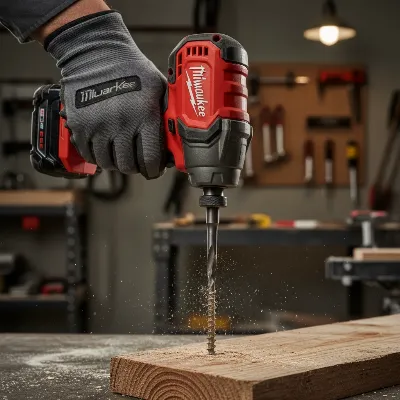 Milwaukee M18 Fuel impact driver in action, driving a long screw into wood with precision
Using and Maintaining Your Impact Driver for Optimal Performance
Even the best impact driver can underperform without proper usage and maintenance. Mastering these aspects ensures safety, extends tool life, and maximizes efficiency.
Safety First When Using an Impact Driver
Safety should always be your top priority.
- Wear safety goggles: Impact drivers can generate significant force, potentially sending debris flying. Eye protection is non-negotiable.
- Maintain a firm grip: The tool’s powerful torque can cause it to twist, so a steady, two-handed grip is advisable for heavy tasks.
- Keep hands clear: Always ensure your hands and fingers are away from the rotating chuck and bit.
- Use the right bit: Only use impact-rated hex shank bits, as standard drill bits are not designed to withstand the percussive forces and can break or shatter.
- Secure your workpiece: Always stabilize the material you’re working on to prevent movement and ensure a straight drive.
Mastering Bit Installation and Removal
Most modern impact drivers feature a quick-release chuck, making bit changes incredibly fast and easy. To install a bit, simply pull the collar of the chuck forward, insert the hex shank bit until it clicks into place, and then release the collar. Ensure the bit is securely seated before operation. To remove, pull the collar forward again, and the bit will release. Using the correct size and type of bit for each fastener is critical to prevent stripping and damage.
Understanding and Adjusting Speed/Torque Modes
The true power of an impact driver with adjustable speed lies in its ability to adapt.
- Variable Speed Trigger: This is your primary control. A light squeeze of the trigger provides lower RPM and IPM for delicate work, such as starting a screw or working with soft materials. Pressing the trigger harder increases speed and impact for more demanding tasks.
- Mode Selector Switch: Many models feature a dedicated switch (or buttons) to cycle through predefined speed and torque settings (e.g., 1, 2, 3, or low, medium, high).
- Low Speed/Torque: Ideal for small fasteners, softer materials, and delicate applications where precision is crucial. It minimizes the risk of stripping screw heads or damaging the workpiece.
- Medium Speed/Torque: A versatile setting for general-purpose tasks, such as driving medium-sized screws into common lumber.
- High Speed/Torque: Designed for maximum power, suitable for long lag bolts, structural fasteners, and driving into hard materials like treated lumber or metal.
- Specialized Modes: Some advanced impact drivers, like Makita’s Quick-Shift Mode or Ryobi’s auto mode, automatically adjust the balance of speed and torque, or even pulse in reverse to break free stubborn fasteners, then ramp up speed for efficient driving. Experiment with these settings to find what works best for different applications.
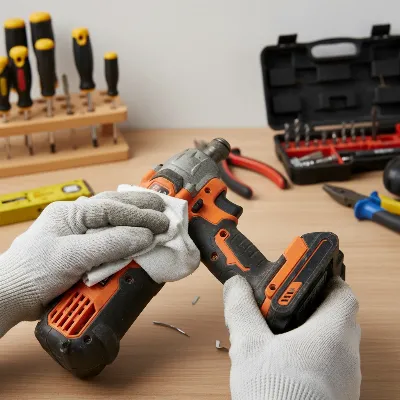 User performing maintenance on an impact driver, cleaning the tool and checking battery connection
Cleaning and Storage
Regular maintenance ensures your impact driver remains in top condition.
- Cleanliness: After each use, wipe down the tool to remove dust, debris, and grime. Pay attention to vents to ensure proper airflow and prevent overheating.
- Bit Inspection: Regularly check your bits for wear and replace them if they are dull or damaged. Using worn bits can lead to cam-out and stripped fasteners.
- Battery Care: For cordless models, store batteries in a cool, dry place. Avoid extreme temperatures. Charge them regularly but avoid overcharging or letting them fully discharge for extended periods, as this can degrade battery life.
- Storage: Store the impact driver and its accessories in their original case or a dedicated toolbox, protecting them from impact and environmental damage.
Where to Buy Quality Impact Drivers
Finding the right impact driver with adjustable speed settings involves knowing where to look for reliable products and good deals.
Specialized Tool Retailers
Visiting dedicated tool retailers, either online or brick-and-mortar, offers several advantages. Stores like The Home Depot, Lowe’s, or specialist hardware suppliers often have a wide selection of brands and models. The staff can provide expert advice, allowing you to ask questions and sometimes even try out the ergonomics of different tools. This hands-on experience can be invaluable for assessing comfort and balance before making a purchase. They also typically offer strong warranty support and access to parts or servicing.
Online Marketplaces
E-commerce giants like Amazon, as well as brand-specific websites, provide unparalleled convenience and a vast selection. You can easily compare features, read numerous user reviews, and often find competitive pricing or exclusive online deals. However, you miss the opportunity for hands-on evaluation. When buying online, always verify the seller’s reputation, check the return policy, and confirm that the product comes with the full manufacturer’s warranty. Many official brand websites also offer direct sales with comprehensive product information and support.
Buying Guide: Expert Advice from ReviewedJobs.com
As an Admin of ReviewedJobs.com with over a decade of hands-on experience with impact drivers, I’ve seen countless tools come and go. Here’s my expert advice to help you choose the best impact driver with adjustable speed settings:
Assess Your Project Needs
Before anything else, honestly evaluate the type and frequency of work you’ll be doing. Are you a weekend DIYer tackling occasional home repairs, or a professional who needs a robust tool for daily heavy-duty tasks?
- Light-Duty/DIY: A 12V or 18V impact driver with basic variable speed control and moderate torque (around 1,500 in-lbs) will likely suffice. Focus on ergonomics and ease of use.
- Medium-Duty/Enthusiast: An 18V or 20V model with multiple speed modes and higher torque (1,600-1,800 in-lbs) offers greater versatility for a wider range of projects, from deck building to furniture assembly.
- Heavy-Duty/Professional: Look for 18V, 20V, or 24V tools with brushless motors, advanced multi-mode speed/torque settings (2,000+ in-lbs), and high-capacity batteries (4.0 Ah or more). Durability and sustained performance are key.
Set a Realistic Budget
Impact drivers range widely in price. While a higher price often correlates with more features, power, and durability, excellent mid-range options provide superb value. Consider the long-term investment: a reliable tool from a good brand might cost more upfront but will last longer and perform better, saving you money on replacements and preventing project delays. Don’t forget to factor in the cost of batteries and a charger if buying a bare tool.
Dive into Specs and User Reviews
Don’t rely solely on brand names. Scrutinize the specifications: max torque, RPM range, IPM, battery voltage and Ah. Pay close attention to descriptions of speed control mechanisms – is it just a variable trigger, or does it offer distinct speed modes? More modes generally mean more control. Crucially, read independent reviews from other users and professional testers. They often provide real-world insights into a tool’s performance, comfort, and the effectiveness of its adjustable speed settings that spec sheets alone can’t convey. Look for consistent feedback on features like ease of use, durability, and battery life.
Choose a Reputable Seller
Purchasing from authorized dealers or well-known retailers ensures you receive a genuine product with a valid warranty. A good seller will also have a clear return policy and readily available customer support, which can be invaluable should you encounter any issues with your new impact driver.
The integration of adjustable speed settings has transformed impact drivers from brute-force tools into highly versatile instruments of precision. By allowing users to meticulously control both the rotational speed and the impactful force, these advanced tools empower you to tackle a broader spectrum of tasks with greater confidence and superior results. From safeguarding delicate materials against overtightening to effortlessly driving the toughest fasteners, the right impact driver with adjustable speed is an invaluable asset in any toolkit. Investing in a model that aligns with your specific needs, considering factors like torque, battery life, ergonomics, and sophisticated speed control, will undoubtedly enhance your efficiency and the quality of your work for years to come. What project will you conquer first with your perfectly chosen impact driver?
Frequently Asked Questions
What is the difference between an impact driver and a drill?
An impact driver is designed specifically for driving fasteners, combining rotational force with percussive impacts to generate high torque. A drill, while capable of driving screws, primarily focuses on boring holes and uses continuous rotational force. Impact drivers excel at driving long screws into hard materials without stripping, while drills are better for drilling precise holes and often feature a clutch to prevent over-tightening.
Can I use regular drill bits in an impact driver?
No, you should not use regular drill bits in an impact driver. Impact drivers exert significant percussive force and high torque that standard drill bits are not designed to withstand. Using them can cause the bits to break, shatter, or damage the tool. Always use impact-rated hex shank bits, which are specifically engineered for the demands of an impact driver.
How do I know what speed setting to use?
Generally, use lower speed settings for delicate work, smaller fasteners, and softer materials like softwood or plastic to prevent stripping or damage. Higher speed settings are ideal for larger fasteners, harder materials like hardwoods or metal, and tasks where maximum power and speed are required. Many impact drivers also feature an “auto” or “T-mode” that intelligently adjusts speed and torque based on resistance.
What does “brushless motor” mean for an impact driver?
A brushless motor is a more advanced type of motor found in many modern power tools. Unlike brushed motors, it does not use carbon brushes, which reduces friction and heat. This results in several benefits: increased efficiency (longer battery runtime), more power, a longer tool lifespan, and reduced maintenance needs.
How important is battery voltage and Ah rating?
Battery voltage (V) indicates the tool’s power, with higher voltages (e.g., 18V, 20V, 24V) generally delivering more torque and performance for heavier-duty applications. The amp-hour (Ah) rating signifies the battery’s capacity, directly impacting how long the tool can run on a single charge. A higher Ah rating means longer runtime, which is crucial for extended projects without frequent recharging.
